
Best Wood for Cutting Boards Selecting the right wood for your cutting board can be a game-changer in the kitchen. Not all woods are equal in durability and safety.
Every chef knows that a cutting board is more than just a slab of wood. It’s the unsung hero of meal prep, a partner in culinary crime. A good board keeps knives sharp, resists bacteria, and survives the daily chop and slice.
But with so many types of wood available, which one tops the list? From the hardness of maple to the rich hues of walnut, each type has its virtues. Some woods offer natural antimicrobial properties, others are gentle on blades, and a few are simply stunning to look at. Your choice can impact food safety, knife care, and even the environment. This guide will help you understand what makes certain woods ideal for cutting boards and how to pick the perfect one for your kitchen. Let’s slice through the noise and grain to uncover the best wood for cutting boards.

Top Wood Choices
When it comes to creating a durable and reliable cutting board, choosing the right wood is crucial. Not all woods are equal in terms of strength, durability, and safety for food preparation. In this section, we’ll explore the top wood choices for cutting boards and understand the differences between hardwoods and softwoods, as well as the popular types of wood used by professionals and home cooks alike.
Hardwoods Vs Softwoods
Understanding the difference between hardwoods and softwoods is key to selecting the perfect cutting board. Hardwoods, which come from deciduous trees, tend to be denser and more durable, making them ideal for cutting boards. They have a tight grain, which provides a smooth surface less prone to scratches and gouges where bacteria can hide. On the other hand, softwoods, from coniferous trees, are lighter and less dense. They’re more susceptible to damage and can harbor bacteria, making them less suitable for cutting boards. Here’s a quick comparison:
- Hardwoods: More durable, better for heavy use, tight grain.
- Softwoods: Less durable, prone to scratches, not recommended for cutting boards.
| Wood Type | Durability | Suitability for Cutting Boards |
|---|---|---|
| Hardwoods | High | Excellent |
| Softwoods | Low | Poor |
Popular Types Of Wood
Several hardwoods stand out as top choices for cutting boards due to their durability and resistance to bacteria. The most popular types include:
- Maple: Maple is a favorite for its hardness and fine grain. It’s also resistant to bacteria.
- Walnut: Walnut provides a rich color and is gentle on knife edges while still being very durable.
- Cherry: Cherry offers a smooth surface and is hard enough for cutting and chopping tasks.
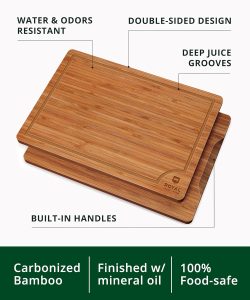
- Bamboo: Technically a grass, bamboo is eco-friendly and hard enough to make a good cutting surface.
Each wood type has its own benefits:
| Wood | Benefits |
|---|---|
| Maple | Hard, bacteria-resistant, fine grain |
| Walnut | Durable, knife-friendly, rich color |
| Cherry | Smooth, hard, visually appealing |
| Bamboo | Eco-friendly, hard, renewable |
Each type of wood brings a unique mix of properties to the table. Maple’s fine grain ensures a long-lasting, clean cutting surface. Walnut’s deep hue adds elegance to any kitchen. Cherry’s hardness provides a dependable cutting area. And bamboo’s sustainable nature makes it a great choice for the environmentally conscious. With these options, finding the perfect wood for a cutting board that meets both functional and aesthetic needs is a simple task.

Benefits Of Different Woods
Choosing the right wood for a cutting board is crucial. Not only does it affect the board’s performance, but it also influences its durability and the ease with which it can be maintained. Different woods offer unique benefits, making some better suited for certain tasks than others. Let’s delve into the advantages of various woods and discover which might be the best for your kitchen needs.
Durability And Longevity
A cutting board should withstand constant chopping and slicing. Hardwoods, due to their tight grain, are often the top choice for durability and longevity. Let’s explore some popular options:
- Maple: Known for its resilience, maple is a favorite among professional chefs. It resists cuts and scratches, keeping its surface smooth for longer.
- Walnut: This rich, dark wood is not only beautiful but also strong. It’s slightly softer than maple, making it kind on knives while still durable.
- Cherry: Cherry’s hardness is similar to walnut, offering a durable surface with a bit of give to protect knife edges.
Consider the Janka hardness scale, which measures the resistance of wood to denting and wear. Here’s a quick comparison:
| Wood Type | Janka Hardness |
|---|---|
| Maple | 1450 lbf |
| Walnut | 1010 lbf |
| Cherry | 995 lbf |
Woods with higher Janka ratings are less likely to dent, making them excellent for frequent use. A strong cutting board lasts longer, saving money and resources over time.
Maintenance And Care
Proper maintenance ensures the longevity of a cutting board. Each type of wood has its own care requirements:
- Maple: It’s dense and has a non-porous surface, which means it’s less likely to absorb liquids and odors. To maintain its condition, regular oiling and occasional sanding will keep it looking new.
- Walnut: While walnut is easy to clean due to its tight grain, it benefits from oiling to prevent drying and cracking.
- Cherry: Like walnut, cherry requires oiling to maintain its moisture balance and lustrous appearance.
Regardless of the wood type, there are general care tips to follow:
- Wash with warm, soapy water after each use.
- Avoid soaking in water or placing in the dishwasher.
- Dry immediately with a towel and let it air-dry standing up.
- Apply food-grade mineral oil monthly, or more frequently if used daily.
Remember, a well-maintained cutting board is safe from bacteria and less prone to warping or splitting. With proper care, even softer woods can serve well and provide a reliable cutting surface.
Sourcing Quality Wood
Choosing the best wood for cutting boards is key. Good wood means a lasting board. Sourcing quality wood is a must. It should be strong, safe for food, and look nice. Let’s see how to find the best wood.
Sustainable Options
Finding wood that doesn’t harm the planet is important. Sustainable wood comes from places that care for forests. They make sure trees keep growing. Here are ways to find eco-friendly wood:
- Look for certifications: Labels like FSC (Forest Stewardship Council) show the wood is from well-managed forests.
- Choose fast-growing woods: Bamboo and maple grow quickly. They are good choices for the environment.
- Reuse wood: Sometimes, old wood can be made into new cutting boards. This helps reduce waste.
Here is a table showing good woods for cutting boards:
| Wood Type | Pros | Cons |
|---|---|---|
| Bamboo | Eco-friendly, strong | Can be hard on knives |
| Maple | Safe for food, durable | Needs regular oiling |
| Walnut | Beautiful, gentle on knives | More expensive |
Local Vs Imported Woods
Choosing between local or imported woods is big. Both have their good sides. Let’s look at them:
- Local woods: Buying local supports your area. It often means fresher wood and less travel. This is good for the planet.
- Imported woods: Sometimes, the best wood comes from far away. Imported woods can be unique and strong. But, they often cost more and need more travel.
Pros and cons of both:
| Type | Pros | Cons |
|---|---|---|
| Local Woods | Supports local economy, fresher | Limited choices |
| Imported Woods | Unique, strong | Costs more, not as eco-friendly |
Think about what matters most to you. Do you want to help your local area? Or do you want a unique wood from far away? Your choice makes a difference.
Frequently Asked Questions
What Is The Best Type Of Wood For Cutting Boards?
Hardwoods, like maple, walnut, and cherry, are best. They’re durable and less harsh on knives.
Can You Use Bamboo For Cutting Boards?
Yes. Bamboo is hard, eco-friendly, and resists water well, making it a good choice.
How Often Should Wooden Cutting Boards Be Replaced?
With proper care, they can last many years. Replace when deeply scored or cracked.
Is It Safe To Cut Meat On Wooden Cutting Boards?
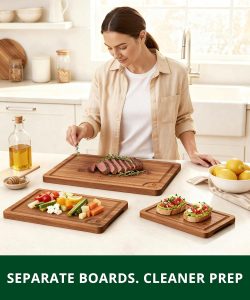
Yes, but clean properly. Use separate boards for raw meat to avoid cross-contamination.
Conclusion
Selecting the right wood for your cutting board is crucial. Maple, walnut, and cherry stand out for their durability and safety. These woods resist cuts and bacteria, making them top choices. Remember to consider personal needs and kitchen habits. Care for your board properly, and it will last for years.
Your perfect wooden cutting board awaits. Choose wisely, treat it well, and happy cooking!