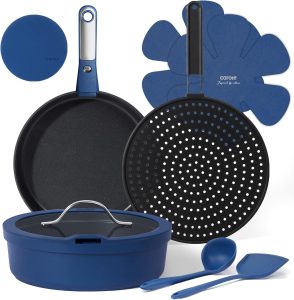

Cooking on a glass-top stove requires special cookware. Not all skillets work well on this surface.
Finding the right skillet can elevate your cooking experience. Glass top stoves are sleek and modern, but need careful handling. The right skillet ensures even heat distribution, preventing damage to the stove’s surface. It’s not just about avoiding scratches; it’s about achieving the best results in your cooking.
With so many options available, choosing the perfect skillet can be overwhelming. Quality, material, and weight all play crucial roles. Each factor affects how well the skillet performs on a glass-top stove. This guide will help you find skillets that enhance your cooking, protect your stove, and fit your needs. Dive in to discover which skillets are best suited for your kitchen masterpiece.
Choosing The Right Skillet
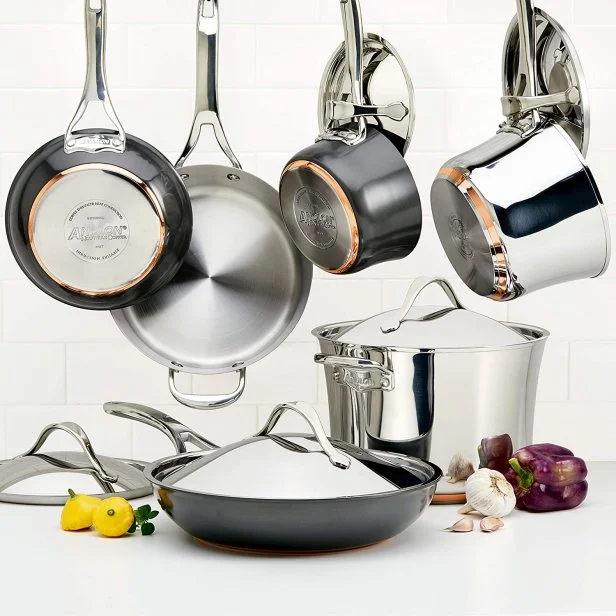
Material Considerations are key for glass top stoves. Cast iron skillets are heavy and can scratch. Stainless steel is lighter and safe. Non-stick skillets are easy to clean. Copper heats fast but needs care. Choose durable materials.
Size and Weight Factors matter too. A big skillet cooks more food. Heavy skillets are hard to lift. Light skillets are easy to handle. Check your stove’s weight limit. Pick a skillet that fits your stove.

Top Skillet Recommendations
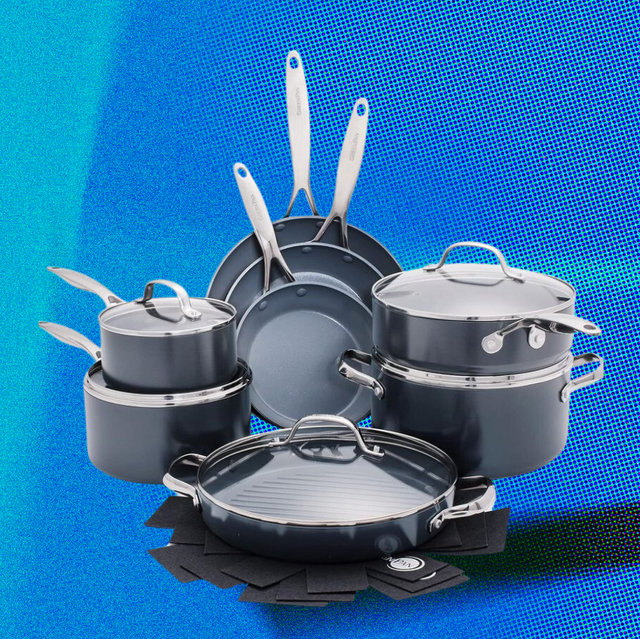
Non-stick skillets are perfect for simple cooking with a non-stick fry pan. Food slides off smoothly. Cleaning them is simple. T-fal’s non-stick skillet is popular. It heats evenly and quickly. Oven safe up to 350°F. Calphalon offers another choice. It has a durable coating. Scratch-resistant and safe for metal utensils. Both are lightweight and easy to handle.
Cast iron skillets are tough and last long. They hold heat well. Lodge cast iron is well-known. Great for searing and frying. Heavy, but cooks food evenly. Pre-seasoned for easy use. Another option is the Cuisinel cast iron. It comes with a silicone handle. Safe to use in ovens. Both are ideal for glass top stoves.
Caring For Your Skillet
Choosing the right skillet for glass top stoves involves looking for flat-bottomed designs that evenly distribute heat. Cast iron and stainless steel skillets work well, providing durability and efficient cooking. Ensure your skillet is clean and dry to maintain its quality and prevent scratches on the stove surface.
Cleaning Tips
A clean skillet lasts longer. Use warm water and mild soap. Avoid harsh scrubbers. They scratch your skillet. Dry it with a soft towel. Wet skillets can rust. For tough spots, use baking soda. It’s gentle and effective. Rinse well before drying. Keep your skillet shiny and safe.
Storage Solutions
Proper storage keeps your skillet safe. Hang your skillet on a rack. It prevents scratches. Keep the skillet in a cool, dry place. Stacking skillets can cause damage. Use cloth between them if stacking. This avoids scratches and chips. Store skillets upside down. This protects the cooking surface.
:max_bytes(150000):strip_icc()/Testing_Misc_286-41e00c31ddc94f70a351533004701fec.jpeg)
Frequently Asked Questions
What Type Of Pan Is Best For A Glass Top Stove?
Choose pans with smooth, flat bottoms for glass top stoves. Stainless steel, titanium, and heavy-duty aluminum are excellent options. Avoid cast iron or stoneware, as they can scratch the surface. Copper pans are also suitable if they have a flat bottom.
Always ensure the pan is clean to prevent damage.
Can You Use A Skillet On A Glass Top Stove?
Yes, you can use a skillet on a glass top stove. Choose flat-bottomed skillets to ensure even heat distribution. Avoid dragging or sliding the skillet to prevent scratches. Cast iron skillets work well but require careful handling to avoid damage.
Always lift the skillet when moving it on the stove.
What Not To Use On A Glass Top Stove?
Avoid using abrasive cleaners or scrubbers on glass top stoves. Cast iron or rough-bottomed cookware can scratch the surface. Steer clear of heavy pots that might cause cracks. Refrain from using aluminum foil directly on the stove. Always ensure pots and pans are clean before use.
Conclusion
Choosing the right skillet enhances your cooking on a glass top stove. Consider materials like stainless steel or cast iron for the best results. They offer durability and even heat distribution. Size matters too. Pick one that fits your stove without overcrowding.
Non-stick options simplify cleaning but check compatibility with your stove type. Always prioritize quality and design for ease of use. A good skillet can make cooking enjoyable and efficient. With the right choice, you’re set for delicious meals and hassle-free cleaning.
Happy cooking!